
.jpg&w=3840&q=75&dpl=dpl_HqrNc3JY3JGjDDKkjxHMDyCembfJ)
If you live in Tampa, your kitchen cabinets are fighting a battle you might not even realize. The combination of heat, humidity, and seasonal temperature swings puts constant stress on cabinet materials, and over time, that stress shows up as warping, cracking, peeling, or doors that just won’t close right.
Kitchen cabinets in Tampa face conditions that cabinets in drier climates simply don’t deal with. Understanding why this happens, and what you can do about it, can save you thousands of dollars and a lot of frustration down the road.
Whether you’re dealing with damaged cabinets right now or planning a kitchen remodel, this guide covers everything you need to know about protecting your investment in a subtropical climate.
How Tampa’s Climate Damages Kitchen Cabinets
Tampa’s average humidity hovers between 70% and 90% for much of the year. That’s not just uncomfortable for people. It’s brutal on wood, MDF, and even some plywood products used in cabinet construction.
Wood is a hygroscopic material, meaning it absorbs and releases moisture depending on its environment. When humidity is consistently high, wood swells. When the air conditioning kicks in and dries the air inside your home, that same wood contracts. This constant expansion and contraction cycle is the number one reason kitchen cabinets in Tampa warp, crack, or develop joint failures.
Add in the occasional tropical storm or hurricane season moisture spike, and you have a recipe for accelerated cabinet deterioration.
Warping vs. Cracking: What’s Actually Happening
Warping occurs when one side of a cabinet door or panel absorbs more moisture than the other, causing it to bow or twist. You’ll notice doors that no longer sit flush or drawers that stick.
Cracking happens when wood dries too quickly or unevenly. Solid wood panels and thin veneers are especially vulnerable. Hairline cracks along the grain are an early warning sign. If ignored, they grow into splits that compromise the cabinet’s structural integrity.
Which Cabinet Materials Are Most Vulnerable
Not all materials react the same way to Tampa’s conditions:
Solid wood expands and contracts the most, but quality hardwoods like maple kitchen cabinets handle it better than softer species.
MDF (medium-density fiberboard) swells badly when exposed to moisture, especially at edges and around hinges.
Particleboard is the least resistant and can crumble when it absorbs water.
Plywood performs well because its cross-grain layers resist warping, making it a strong choice for affordable kitchen cabinets in Tampa.
Thermofoil can delaminate when adhesive breaks down from heat and humidity cycling.
Common Causes of Cabinet Damage in Tampa Kitchens
Climate is the biggest factor, but it’s not the only one. Several common issues specific to Tampa homes speed up cabinet wear.
Poor Ventilation and Steam Buildup
Kitchens without proper range hoods or exhaust fans trap steam from cooking. That moisture settles directly on cabinet surfaces, especially the ones above your stove and dishwasher. Over time, this causes finish breakdown, swelling, and eventually warping.
If your cabinets above the stove look worse than the rest, ventilation is almost certainly the cause.
Low-Quality Materials and Finishes
Budget cabinets made from particleboard or thin laminate might look fine in the showroom, but they often fail within a few years in Tampa’s climate. A quality finish acts as a moisture barrier. When that barrier is thin or poorly applied, humidity gets in and the damage begins.
This is why choosing the best kitchen cabinets for Tampa Bay homes means looking beyond just appearance. Construction quality and finish durability matter more here than in most parts of the country.
Improper Installation
Cabinets installed without proper wall preparation, adequate shimming, or correct hardware placement put stress on joints that wouldn’t normally exist. In humid conditions, that added stress accelerates warping and cracking.
Working with experienced kitchen cabinet installers in Tampa who understand local conditions makes a real difference in how long your cabinets last.
Water Damage from Leaks
Slow leaks under the sink or behind the dishwasher are incredibly common and often go unnoticed until the damage is obvious. Swollen cabinet floors, mold growth along the back panel, and mushy particleboard are all signs of a moisture problem that’s been building for months.
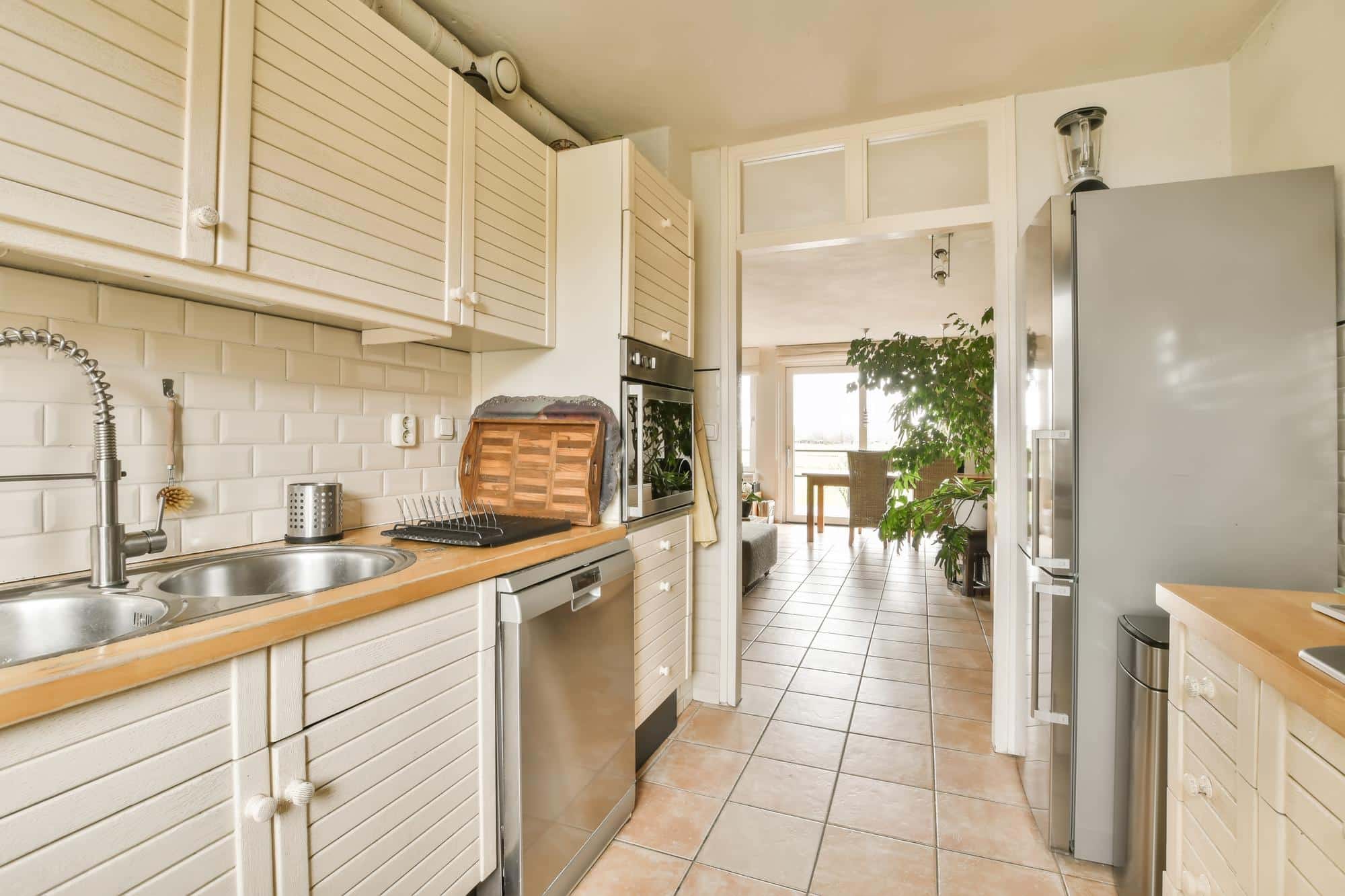
How to Prevent Kitchen Cabinets from Warping in Tampa
Prevention is always cheaper than replacement. Here are the most effective steps to protect your kitchen cabinets in Tampa’s demanding climate.
Control Indoor Humidity
Keep your home’s indoor humidity between 35% and 55%. A good HVAC system running consistently does most of the work. If you notice condensation on windows or a musty smell, consider adding a standalone dehumidifier.
Consistent climate control is one of the simplest kitchen storage solutions Tampa homeowners overlook. It doesn’t just protect cabinets. It protects everything in your kitchen.
Choose the Right Cabinet Materials
If you’re buying new cabinets, prioritize materials designed for high-humidity environments:
Plywood box construction over particleboard
Solid hardwood or quality shaker kitchen cabinets with multi-step finishes
Frameless kitchen cabinets with sealed edges
Catalyzed or conversion varnish finishes that block moisture better than standard lacquer
Stock kitchen cabinets and ready to install cabinets in Tampa can still perform well, as long as you verify the material and finish quality before buying.
Use Proper Ventilation
Always run your range hood when cooking. Make sure it actually vents outside, not just recirculates. Open windows briefly after heavy cooking or running the dishwasher to clear trapped steam.
These small habits dramatically reduce moisture contact with your cabinet surfaces.
Seal and Finish Exposed Surfaces
If you have unfinished or semi-finished cabinet interiors, apply a clear sealant. Many stock cabinets leave interior surfaces uncoated, which allows moisture to penetrate from inside the box. A quick coat of polyurethane or cabinet-grade sealant closes that gap.
Repair Options for Warped or Cracked Kitchen Cabinets in Tampa
If the damage is already done, you have several paths forward depending on severity and budget.
Minor Warping and Surface Cracks
Slight warping in a door can sometimes be corrected by adjusting hinges or adding a magnetic catch to hold the door flat. Hairline cracks in solid wood can be filled with wood filler, sanded smooth, and refinished.
Cabinet refinishing in Tampa is a popular option for cosmetic damage. A professional refinish restores the look while adding a fresh moisture barrier.
Moderate Damage: Cabinet Refacing
When door fronts are warped or cracked but the cabinet boxes are still solid, kitchen cabinet refacing in Tampa is a cost-effective middle ground. You replace the doors and drawer fronts while keeping the existing structure. It saves significantly compared to a full replacement and gives you the chance to upgrade to a more moisture-resistant material.
Many homeowners use refacing as an opportunity to switch to white kitchen cabinets or a more modern style without gutting their kitchen.
Severe Damage: Full Cabinet Replacement
If cabinet boxes are swollen, soft, or showing mold damage behind the panels, replacement is the smart move. Trying to patch structural damage usually leads to recurring problems.
The good news is that cabinet installation in Tampa doesn’t have to break the bank. In-stock cabinets in Tampa offer strong quality at affordable price points, especially when you work with a local supplier who keeps inventory ready to go. How much do kitchen cabinets cost in Tampa? It depends on materials and layout, but affordable cabinets in Tampa start lower than most people expect, particularly through showrooms that specialize in ready to install options.
When to Call a Professional vs. DIY
Adjusting a hinge or filling a small crack is a reasonable weekend project. But if you’re dealing with multiple warped doors, structural swelling, or water damage behind cabinets, it’s worth calling in a professional.
Kitchen remodel contractors in Tampa who specialize in cabinetry can assess whether repair, refacing, or replacement makes the most sense for your situation and budget. They also know which materials and finishes hold up best locally, something a national big-box retailer can’t always advise on.
A cabinet showroom visit is also a smart step. Seeing and touching materials in person at kitchen cabinet showrooms in Tampa helps you make a confident decision about what will actually survive in your home.
Tampa’s heat and humidity will always be a factor for your kitchen cabinets. But with the right materials, proper installation, and a few smart habits, you can keep your cabinets looking and functioning like new for years.
If your cabinets are already showing signs of warping or cracking, don’t wait until the damage gets worse. Whether you need refinishing, refacing, or a full replacement, addressing the problem early saves money and headaches.
Cabinets & Remodeling Depot helps Tampa homeowners choose the right cabinets for their climate, budget, and style. Stop by our showroom or reach out to our team to explore your options and get honest advice on the best path forward for your kitchen.
Frequently Asked Questions
Why do kitchen cabinets warp in Tampa?
Tampa’s high humidity causes wood and composite materials to absorb moisture and swell, then contract when air conditioning dries the air, leading to warping over time.
What is the best cabinet material for humid climates like Tampa?
Plywood construction with a catalyzed or conversion varnish finish offers the best resistance to humidity-related warping and swelling in Tampa kitchens.
Can warped kitchen cabinets be repaired?
Minor warping can often be fixed with hinge adjustments or refacing, but severely warped or swollen cabinets usually need full replacement.
How much do kitchen cabinets cost in Tampa?
Costs vary by material and layout, but affordable in-stock and ready to install cabinets in Tampa start lower than most homeowners expect.
How can I prevent my kitchen cabinets from cracking in Tampa?
Keep indoor humidity between 35% and 55%, use proper ventilation when cooking, and make sure all cabinet surfaces are sealed with a quality finish.