
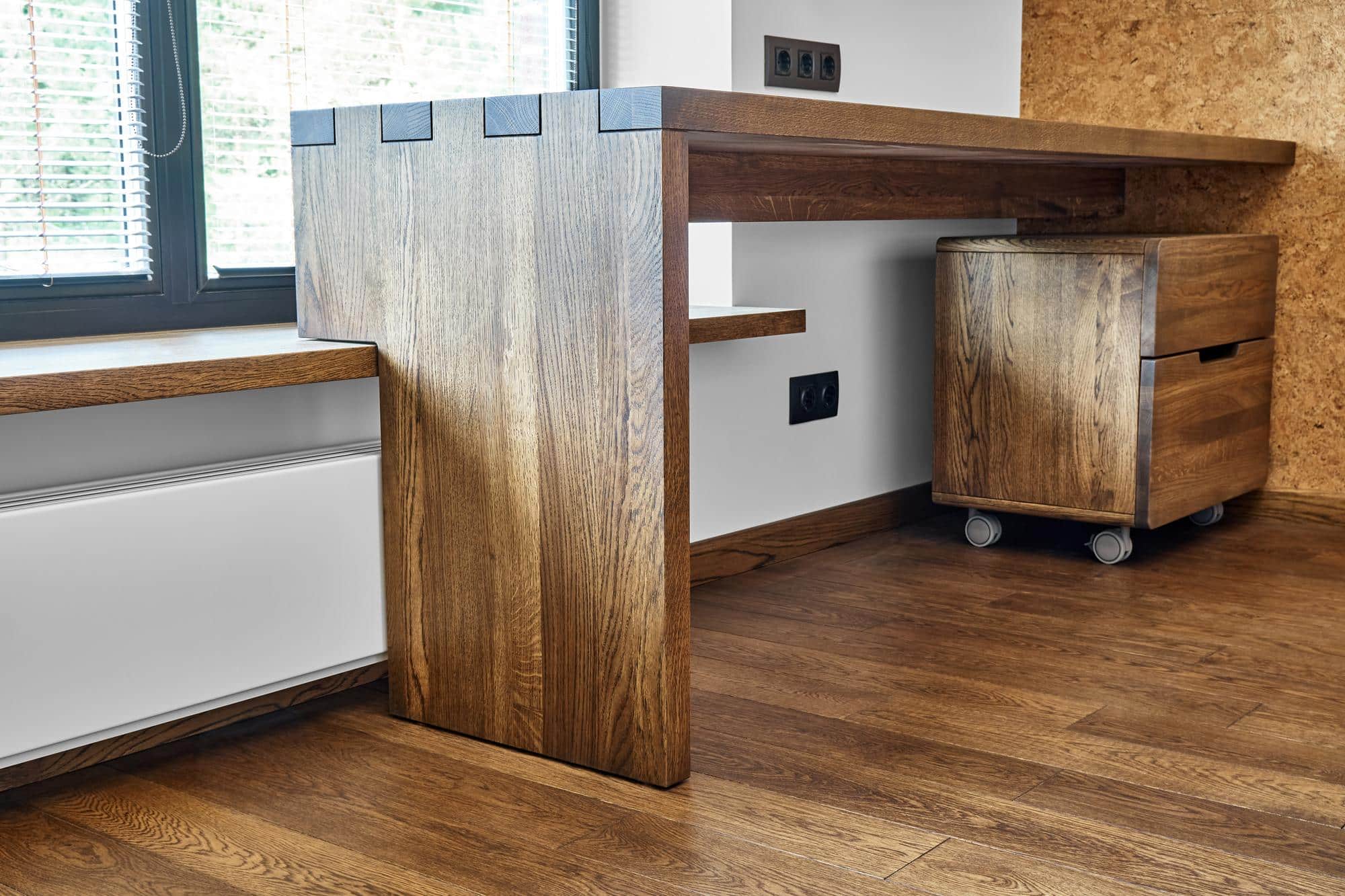
Why Florida Humidity Destroys Cabinets Faster Than You’d Expect
Most of the continental U.S. deals with seasonal humidity. Florida deals with it every single day. Indoor relative humidity in many Florida homes hovers between 50% and 70%, even with air conditioning running. In kitchens and bathrooms, that number climbs higher.
Moisture doesn’t just sit on the surface of your cabinets. It penetrates porous materials, loosens adhesives, and creates the perfect breeding ground for mildew. Particleboard and low-grade MDF are some of the worst offenders. They absorb moisture quickly, swell at the seams, and begin to crumble from the inside out.
If you live anywhere from Miami to Tampa to Jacksonville, your cabinet material choice matters more than it does in almost any other state.
Best Cabinet Materials for Florida Humidity: What Actually Lasts
Not all materials react to moisture the same way. Some are engineered specifically for wet environments, while others hold up naturally due to their composition. Here are the top performers for humid and tropical climate homes.
Marine-Grade Plywood
Marine-grade plywood is built for water exposure. It uses waterproof adhesive between layers and is constructed with fewer voids, which means less room for moisture to hide. It’s one of the most reliable options for cabinet plywood in high humidity environments.
It costs more than standard plywood, but in a state like Florida, the longevity easily justifies the price. Many custom cabinet builders use marine-grade plywood as the default for coastal homes.
Exterior-Grade or Cabinet-Grade Plywood
If marine-grade plywood stretches your budget, exterior-grade plywood is a solid alternative. It uses moisture-resistant glue and holds up well in kitchens and bathrooms that aren’t directly exposed to standing water.
When comparing solid wood vs plywood in humid climates, plywood generally wins. Its cross-grain construction resists warping and expansion better than most solid hardwoods.
PVC and HDPE Cabinet Doors
PVC cabinet doors are completely waterproof. They won’t absorb moisture, won’t warp, and won’t support mold growth. For bathrooms, laundry rooms, and outdoor kitchens, PVC is one of the best waterproof cabinet materials available.
They’re especially popular for bathrooms and kitchens in Florida because they require almost zero maintenance in humid conditions. The look has improved dramatically over the years, and modern PVC options can mimic wood grain convincingly.
Stainless Steel Cabinets
Stainless steel kitchen cabinets are a premium choice for coastal areas where salt air compounds the humidity problem. They resist corrosion, moisture, and mildew entirely.
They suit modern kitchen designs well and are a favorite in high-end waterfront properties. The initial cost is higher, but they essentially last forever with basic cleaning.
Thermofoil Cabinets
Thermofoil wraps a vinyl layer over MDF or a similar substrate, creating a sealed surface that resists moisture on the exterior. Thermofoil cabinet performance in humidity depends heavily on the quality of the substrate underneath.
If the core material is a moisture-resistant MDF alternative, thermofoil can be a budget-friendly option that works well in Florida homes. If the core is standard particleboard, expect peeling and swelling within a few years.
Humidity-Resistant Cabinet Materials to Consider for Every Room
Different rooms face different moisture levels. Your kitchen handles steam and splashes. Your bathroom deals with constant condensation. An outdoor kitchen or bar takes direct exposure to rain and humid air.
Here’s a quick breakdown of what works where:
- Kitchens: Marine-grade or exterior-grade plywood boxes with solid wood or thermofoil doors. Laminate cabinets that are humidity resistant also perform well here.
- Bathrooms: PVC doors, marine-grade plywood, or moisture-resistant MDF alternatives. Avoid standard MDF and particleboard entirely.
- Outdoor kitchens: Stainless steel or HDPE/PVC. Nothing porous should be used in a fully exposed outdoor setting.
- Laundry rooms: PVC or thermofoil over moisture-resistant substrate. These rooms often have poor ventilation and higher ambient moisture.
What Cabinet Materials Should You Avoid in Florida?
Knowing what to avoid is just as important as knowing what to choose.
- Particleboard: This is the number one material to avoid. It absorbs water like a sponge and falls apart quickly in humid environments.
- Standard MDF: While denser than particleboard, regular MDF still swells and degrades when exposed to sustained humidity. Only moisture-resistant MDF formulations should be used.
- Untreated solid wood: Some hardwoods handle humidity reasonably well, but untreated or improperly sealed solid wood will expand, contract, and eventually crack in Florida’s climate.
- Low-quality laminate on particleboard: The laminate surface might resist moisture, but if the core is particleboard, the edges and joints will fail first.
How to Protect Your Cabinets from Humidity Beyond Material Choice
Even with the best cabinet materials for Florida humidity, a few extra precautions go a long way.
Choose the Right Cabinet Finish
The best cabinet finishes for Florida include catalyzed lacquer, conversion varnish, and marine-grade polyurethane. These finishes create a hard, sealed barrier that prevents moisture from reaching the wood or substrate underneath.
Anti-mildew cabinet finishes with built-in fungicides are also available and worth considering for bathrooms and lower cabinets near the floor.
Don’t Overlook Hardware
Cabinet hardware corrosion resistance matters, especially in coastal homes. Stainless steel, brushed nickel, and solid brass hardware resist salt air and humidity far better than zinc-plated or iron options. Cheap hardware will pit, rust, and stain your cabinet surfaces over time.
Control Indoor Humidity
Run your air conditioning consistently, use exhaust fans in kitchens and bathrooms, and consider a whole-home dehumidifier if your indoor humidity regularly exceeds 60%. Protecting cabinets from humidity starts with controlling the environment they live in.
Choosing Moisture-Resistant Kitchen Cabinets for Your Florida Home
The right cabinet material depends on your budget, your home’s location, and how much maintenance you’re willing to do. A beachfront condo has very different demands than an inland home in Orlando.
For most Florida homeowners, the sweet spot is plywood cabinet boxes (marine-grade or exterior-grade) paired with durable door materials like solid hardwood with a quality finish, thermofoil over moisture-resistant substrate, or PVC for wet areas.
The key is working with a remodeling team that understands Florida’s unique climate challenges. A cabinet that looks great in a showroom may not survive a single summer in a poorly ventilated Florida kitchen.
Cabinets & Remodeling Depot specializes in helping Florida homeowners choose and install humidity-resistant cabinet materials that are built to last. From material selection to professional installation, their team understands what works in this climate and what doesn’t.
Florida humidity is not something you can ignore when selecting kitchen or bathroom cabinets. The wrong material will cost you more in replacements and repairs than investing in the right option from the start.
Marine-grade plywood, PVC, stainless steel, and properly sealed engineered wood all perform well in high-moisture environments. Avoid particleboard, standard MDF, and untreated wood. Pair your material choice with quality finishes, corrosion-resistant hardware, and good humidity control in your home.
If you’re planning a kitchen or bathroom remodel in Florida, reach out to Cabinets & Remodeling Depot for expert guidance on the best cabinet materials for your specific space and budget. Getting the material right from the beginning means your cabinets will look great and hold strong for years to come.
Frequently Asked Questions
What is the best cabinet material for Florida humidity?
Marine-grade plywood is one of the best options because it uses waterproof adhesive and resists moisture absorption better than most other wood-based materials.
Are thermofoil cabinets good for humid climates?
Thermofoil cabinets can work well in humid climates as long as the substrate underneath is a moisture-resistant material rather than standard particleboard.
Should I avoid particleboard cabinets in Florida?
Yes, particleboard absorbs moisture quickly and will swell, warp, and deteriorate rapidly in Florida’s high-humidity environment.
What cabinet finish is best for Florida homes?
Catalyzed lacquer, conversion varnish, and marine-grade polyurethane are top choices because they create a moisture-sealed barrier that holds up in humid conditions.
Can I use solid wood cabinets in a humid climate?
Solid wood can work if it’s properly sealed with a high-quality finish, but plywood generally performs better because its cross-grain construction resists warping.